
How Meibomian Gland Dysfunction Triggers Constant Watering, Burning, and Ocular Fatigue
When your eyes constantly water, burn, or feel tired, it may seem logical to assume you are producing too few tears. However, the problem may actually begin in the oil-producing glands along your eyelids. Meibomian gland dysfunction, commonly called MGD, is a major contributor to evaporative dry eye and can create an ongoing cycle of irritation, unstable tears, and ocular fatigue. At Advanced Dry Eye Center, we look beyond individual symptoms to determine what is affecting the health and stability of the tear film.
What Is Meibomian Gland Dysfunction?
The meibomian glands are located within the eyelids. They produce oils that form the outer layer of the tear film and help slow tear evaporation. With MGD, these glands may become blocked or produce oil that is too thick or poor in quality. Without a healthy oil layer, tears can evaporate faster than they should. The surface of the eye may then become irritated even when the eyes appear excessively watery.
MGD can become chronic, and changes within the glands may progress over time. Identifying gland dysfunction early gives us an opportunity to address the underlying problem rather than only masking symptoms.
Why Dry Eyes Can Actually Water More
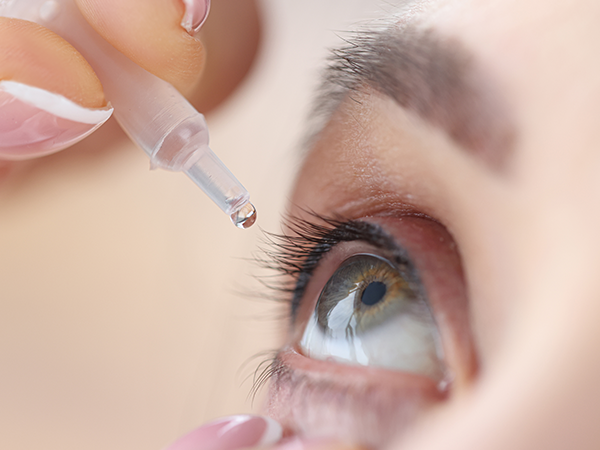
Constant watering can seem contradictory when dry eye is the underlying issue. When the tear film becomes unstable and the eye's surface is irritated, the eyes may respond by producing reflex tears.
These watery tears can temporarily flood the eyes, but they do not necessarily contain the balanced oil layer needed to remain on the ocular surface. As a result, patients may experience repeated tearing without lasting comfort.
Other common signs associated with MGD and evaporative dry eye can include:
• Burning, stinging, or gritty sensations
• Watery eyes that seem to tear unexpectedly
• Fluctuating or intermittently blurry vision
• Heavy, tired, or fatigued eyes
• Redness or irritation around the eyelids
How MGD Contributes to Ocular Fatigue
A healthy tear film creates a smooth optical surface every time you blink. When the tear film breaks apart too quickly, vision can fluctuate between blinks. Your eyes may continually work to compensate, especially while reading, driving, working at a computer, or concentrating for long periods.
Reduced or incomplete blinking during screen use can make the problem more noticeable. Less effective blinking means the meibomian glands may not release oil as efficiently, allowing tears to evaporate even faster. This combination of tear instability and prolonged visual effort can leave the eyes feeling tired, strained, or difficult to keep open by the end of the day.
Looking at the Glands, Not Just the Symptoms
Because MGD occurs within the eyelids, evaluating the meibomian glands is an important part of understanding persistent dry eye. Meibography allows us to examine the structure of these glands and identify changes that may not be visible during a basic eye examination. We may also evaluate the tear layer and ocular surface to determine how gland dysfunction, inflammation, eyelid health, and other factors are contributing to the problem.
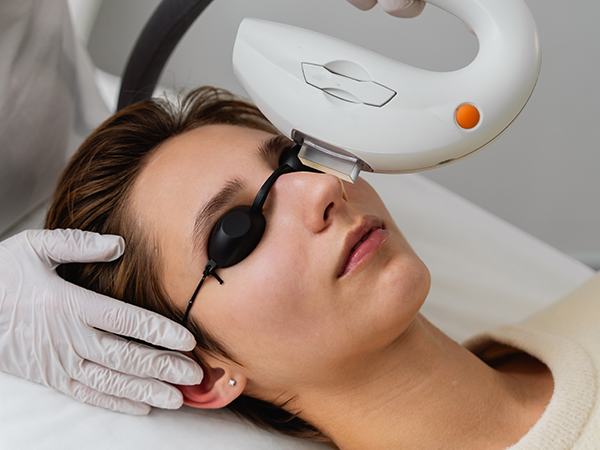
Treatment is then personalized based on what we find. Depending on the patient's needs, our dry eye care may incorporate options such as thermal gland expression, OptiLight IPL, low-level light therapy, radiofrequency treatment, or lid and lash cleaning.
If constant watering, burning, or ocular fatigue is interfering with your day, schedule a dry eye evaluation with Advanced Dry Eye Center to learn more about personalized treatment options. Visit our office in Bethesda, MD, or call (301) 835-1627 to book an appointment today.
- Monday-Friday By Appointment
- Saturday Closed
- Sunday Closed
© 2026 Advanced Dry Eye Center - All rights Reserved - Accessibility Statement - Privacy Policy - Sitemap
Powered by: